Understanding the Importance of Regular Dental Check-ups
Regular dental check-ups are crucial for maintaining your oral health and overall well-being. These visits serve as preventive measures to catch potential issues before they escalate into serious problems. With advances in dental technology and a deeper understanding of oral health, it's now easier than ever to prioritize these appointments. When exploring options, view it now and discover how convenient dental care can be.
Why Regular Visits Matter for Oral Health
The primary reason to schedule regular dental check-ups is prevention. Many dental issues, such as cavities, gum disease, and oral cancer, can develop without noticeable symptoms. Regular visits allow your dentist to identify these conditions early, which can save you from more invasive treatments later. Additionally, these appointments enable your dental professional to provide individualized advice based on your oral health needs.
Common Misconceptions About Dental Visits
There are several misconceptions surrounding dental visits that can prevent individuals from seeking necessary care. Some believe that if there is no pain, there is no need for a visit. However, many dental problems, like gingivitis, can be asymptomatic. Others fear the financial burden of dental care, when in fact, preventive visits often save money by avoiding costly procedures down the line.
What to Expect During Your Appointment
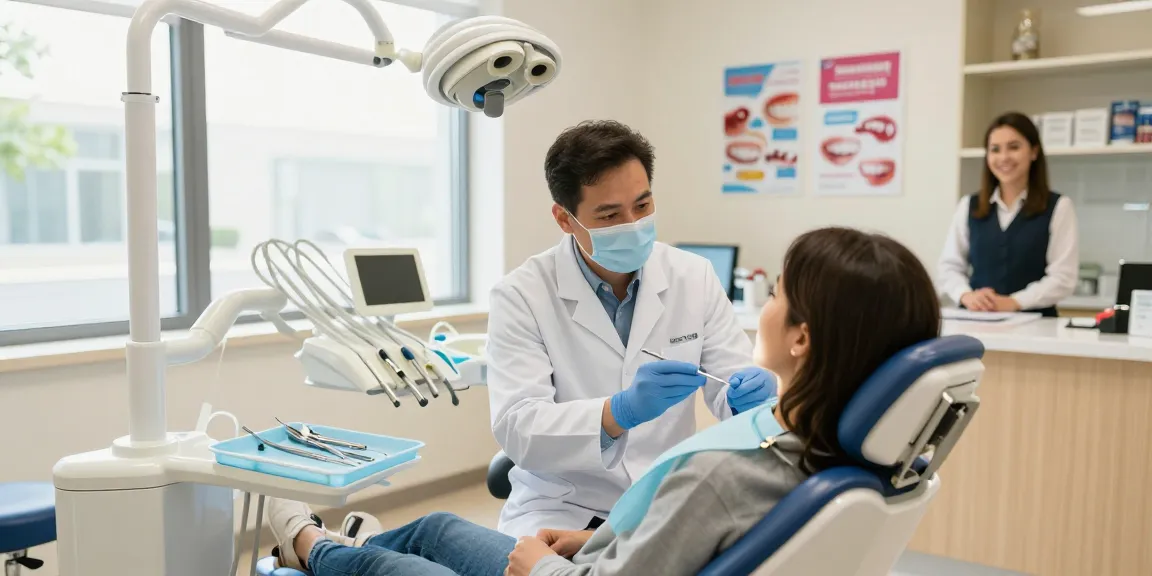
During your dental appointment, you'll typically undergo a thorough examination, including a review of your dental history, a physical exam of your mouth, and possible X-rays. Your dentist will check for signs of decay, gum disease, and other potential issues, and provide suggestions on improving your oral hygiene routine. This comprehensive approach ensures you leave with a plan tailored to your needs.
How to Choose the Right Dentist for You - View it Now
Choosing the right dentist can significantly impact your experience and outcomes in dental care. Factors such as qualifications, experience, and patient reviews should be considered carefully. Finding a dentist that resonates with your personal needs can make visits more pleasant and less stressful.
Evaluating Qualifications and Credentials
Before selecting a dentist, it’s important to examine their qualifications. Most dentists hold a Doctor of Dental Surgery (DDS) or Doctor of Dental Medicine (DMD) degree and have completed a residency. Additionally, check if they are members of professional organizations like the American Dental Association (ADA), which ensures they adhere to high standards of care.
Reading Reviews and Testimonials
Online reviews and testimonials from previous patients can provide invaluable insights into a dentist's practice. Look for comments about the staff's professionalism, the dentist's communication style, and overall patient satisfaction. These personal experiences can help you gauge what to expect during your own visits.
Considering Location and Accessibility
Location plays a critical role in your ability to attend dental appointments. Ideally, your dentist's office should be conveniently located, making it easier to schedule regular visits. Additionally, consider the office’s hours of operation to ensure they align with your schedule.
Streamlining Your Appointment Booking Process
The process of booking dental appointments has evolved significantly, primarily due to technology. Online platforms now allow for easy scheduling, making the process faster and more efficient. Understanding how to utilize these technologies can enhance your experience greatly.
Utilizing Online Platforms to Book Appointments
Many dental practices now offer online booking, allowing patients to schedule appointments at their convenience. This feature eliminates the need for lengthy phone calls and provides immediate confirmation of your appointment. Additionally, some platforms offer reminders via email or text, helping you stay on track.
Understanding Availability and Scheduling Flexibility
When booking an appointment, consider your dentist’s availability. Some practices offer extended hours or weekend appointments, which can be helpful for those with busy schedules. Flexibility is key to ensuring you never miss an essential check-up.
Benefits of Real-Time Appointment Management
Real-time appointment management tools allow you to view your dentist’s availability and make adjustments to your bookings as needed. This level of control over your appointment can greatly reduce the anxiety that often accompanies dental visits and help maintain your oral health more effectively.
Common Dental Appointment Mistakes and How to Fix Them
Understanding common pitfalls patients encounter during dental appointments can prepare you for a more efficient and productive visit. By being aware of these mistakes, you can take proactive steps to ensure your time at the dentist is well-spent.
Pain Points: Fears and Anxieties to Address
Dental anxiety is common and can stem from various sources, including fear of pain or past negative experiences. It's important to communicate any fears with your dentist, who can provide reassurance and strategies to help you feel more comfortable during your appointments.
Arriving Late: How It Impacts Your Care
Arriving late can significantly affect your dental care. It may lead to a rushed appointment or the need to reschedule. To avoid this, plan to arrive at least 10-15 minutes early. This gives you time to fill out any necessary paperwork and helps maintain the schedule of the practice.
Forgetting Essential Documents: Preparing Effectively
Before your appointment, remember to collect all necessary documents, such as insurance information and a list of medications. Being organized not only enhances your experience but also helps your dentist provide the best care possible.
Future Trends in Dental Care and Appointment Management
As technology continues to advance, the dental industry will see significant changes. Staying informed about these trends can enhance your understanding and expectations for future dental care.
Technology Advancements in Dental Practices
Digital dentistry is revolutionizing how dental care is delivered. Innovations such as 3D imaging, laser dentistry, and CAD/CAM technology are improving diagnosis and treatment planning. These advancements not only enhance accuracy but also improve patient outcomes.
Emerging Trends in Patient Experience Enhancements
More practices are focusing on patient-centered care, offering personalized experiences that cater to individual needs. This might include tailored patient education, comfort amenities, or unique communication methods to keep patients informed and engaged.
What to Expect in the Next Five Years
In the next five years, we can expect further integration of artificial intelligence and machine learning in dental practices. These technologies will improve diagnostic capabilities and treatment recommendations, making dental care more efficient and effective.
Frequently Asked Questions about Dental Appointments
Many patients have questions regarding dental visits. Here are some common inquiries:
What should I bring to my first dental appointment?
For your first visit, bring your insurance card, photo ID, and a list of medications. Any previous dental records can also be beneficial.
How can I manage my dental anxiety?
Communicate openly with your dentist about your fears. Techniques such as deep breathing, listening to music, or even sedation options may help alleviate your anxiety.
What are the signs I need to see a dentist?
Signs that warrant a dental visit include persistent tooth pain, bleeding gums, swelling, or any changes in your mouth that concern you.
How often should I schedule regular dental check-ups?
Most dentists recommend check-ups every six months, but this can vary based on individual needs and dental health status.
Can I book same-day appointments?
Many dental practices offer same-day appointments based on availability. It's best to contact your dentist directly to inquire about options.