
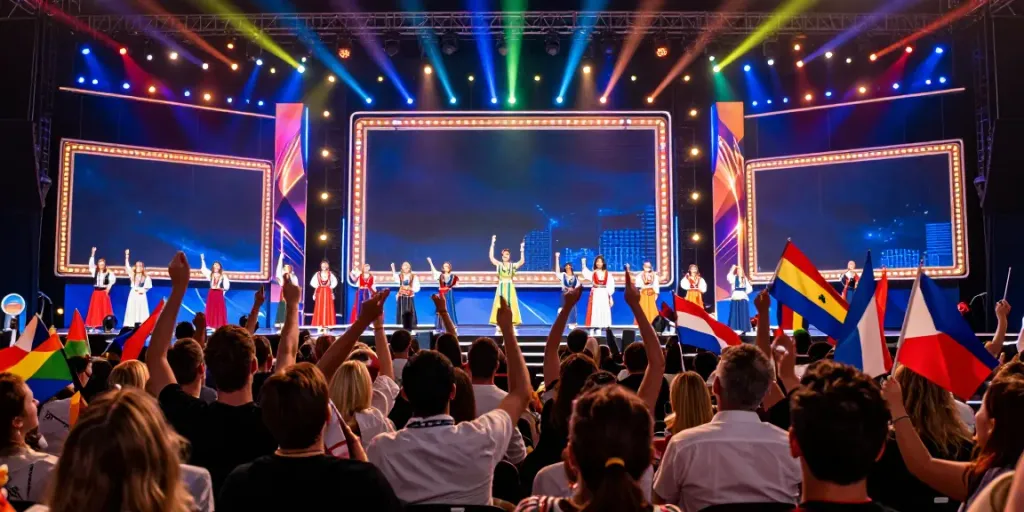
Overview of Eurovision 2027 Final
The Eurovision Song Contest has long been a hallmark of European culture, showcasing a dazzling array of musical talent from various countries. The 2027 final promises to be an exciting culmination of this annual event, held on May 15, 2027, in Burgas, Bulgaria. Fans eagerly anticipate not only the performances but also the vibrant atmosphere surrounding the contest, which brings together nations in a spirit of friendly competition and celebration of diversity. For those looking to explore more about events like Eurovision and other cultural happenings in Lithuania, Kur pramogauti provides comprehensive insights into where to go and what to experience.
What is Eurovision?
The Eurovision Song Contest is an annual international song competition primarily held among the member countries of the European Broadcasting Union (EBU). Each participating nation submits an original song to be performed live on television, and the viewers' votes, combined with professional jury votes, determine the victor. This contest has been a staple of European broadcasting since its inception in 1956, evolving from a small-scale event into a grand spectacle that attracts millions of viewers worldwide. The uniqueness of Eurovision lies in its celebration of cultural diversity, with performances often reflecting local musical traditions while also embracing contemporary trends.
Significance of the Final Event
The final event of Eurovision is significant not just for the competitors but also for the audience, uniting fans of all ages in their passion for music and performance. The anticipation leading up to the final is palpable, with fans engaging in discussions, creating prediction polls, and organizing viewing parties to cheer for their favorites. Beyond the entertainment value, the contest provides a platform for artists to gain international recognition and for countries to showcase their culture. The sense of unity and joy that Eurovision fosters among diverse nations highlights its importance as a cultural phenomenon.
Location and Dates
As previously mentioned, the Eurovision 2027 final will take place in Burgas, Bulgaria, offering a picturesque backdrop for this musical showdown. Known for its stunning Black Sea coast, Burgas is set to provide a vibrant setting, ensuring that both attendees and viewers from around the world are treated to a remarkable experience. This year’s event is slated for May 15, 2027, following the traditional format of the contest, which includes semi-finals leading up to the final showdown.
Participating Countries in Eurovision 2027
The competitive landscape of Eurovision is always evolving, with countries aiming to outshine one another with innovative performances. For 2027, up to 26 countries will compete in the final, including the Big Five—France, Germany, Italy, Spain, and the United Kingdom—alongside the host nation, Bulgaria. Additionally, the top ten performers from each of the semi-finals will secure a place in the final lineup, contributing to the overall diversity of the competition. This mix of returning favorites and new entrants heightens the stakes for all participants.
How Countries Qualify for the Final
Countries qualify for the final through a combination of performances in semi-finals held prior to the main event. Each semi-final features a set number of participating nations, with the top ten from each advancing to the final. This format allows for a broader representation of participating countries while maintaining a competitive edge. The qualification process emphasizes the importance of each performance, as the stakes are high, and every vote counts in determining which acts progress.
List of Competing Nations
While the official list of competing nations will not be announced until after the semi-finals in May 2027, it is anticipated that numerous countries will participate, each bringing their unique style and musical heritage to the stage. As the semi-finals unfold, fans will keep a close eye on their favorites, hoping to see them advance and potentially claim the coveted title of Eurovision champion.
Impact of Previous Performances
Previous performances can greatly influence which countries are favored in the upcoming contest. Nations that have historically performed well, such as Sweden, the Netherlands, and Italy, might see increased expectations from fans and juries alike. Conversely, countries that have struggled in past contests may be seeking redemption, which can create an interesting dynamic as artists strive to break free from previous trends and perceptions.
Voting Process Explained
The voting process for the Eurovision final plays a pivotal role in determining the winner, blending public and jury input for a balanced outcome. Each participating nation’s final score is derived from a combination of national jury votes and the public voting results, each accounting for 50% of the total score. This dual approach helps to ensure that both professional opinions and public sentiments are equally valued.
How Votes are Counted
Votes are counted through a systematic process established by the EBU, where every participating nation allocates points to their favorite performances, excluding their own entries. Voters can cast their votes via telephone or through online platforms, making the process accessible to a broad audience. The votes are then aggregated, and the results are presented in a live format during the final, creating a palpable tension as the winner is revealed.
Role of National Juries vs. Public Votes
The role of national juries is crucial in the voting process. Comprised of music professionals, national juries provide expert evaluations of the performances based on criteria such as vocal ability, stage presence, and overall impact. This expertise complements the public voting, where fans express their preferences, often influenced by national pride or personal connections to the artists. The blend of these two voting systems ensures a fair and comprehensive evaluation of each act.
Changes in Voting Rules for 2027
For Eurovision 2027, there are anticipated changes in voting rules to enhance transparency and increase engagement, although specific details are yet to be confirmed. It is suggested that adjustments may include updated technology for real-time voting results or enhanced methods for public engagement. Keeping the voting process fresh and achievable for audiences will be key in maintaining interest and participation in the contest.
Where to Watch Eurovision Final
As the excitement builds towards the Eurovision final, fans will be eager to find out where they can watch the performances live. The contest will be broadcast in Lithuania via LRT, providing a reliable source for viewers within the country to experience the event as it unfolds. Additionally, many other countries will have their respective broadcasters, ensuring that the performance reaches a wide audience.
Broadcasting Options in Lithuania
In Lithuania, the final will be aired on LRT, allowing fans to tune in from the comfort of their own homes. The broadcaster is known for its high-quality transmission of the event, ensuring viewers don't miss a moment of the action. As always, it is advisable for fans to check their local listings as the date approaches to confirm broadcast schedules.
Online Streaming Alternatives
For those who prefer online viewing, there will be various streaming platforms available, allowing fans to watch the Eurovision final from anywhere in the world. Official broadcasts often provide live streaming options, and social media platforms may also host live interactions during the event, helping fans connect and share the experience in real-time.
Viewing Parties and Events
Many fans choose to enhance their Eurovision experience by attending viewing parties or events tailored around the contest. These gatherings can be found in various venues across Lithuania, where fans come together to cheer for their favorites, share in the excitement, and enjoy the festive atmosphere that Eurovision fosters. Local event listings often highlight notable gatherings, creating opportunities for fans to engage with fellow enthusiasts.
Frequently Asked Questions about Eurovision 2027
When Does the Final Take Place?
The Eurovision 2027 final is scheduled for May 15, 2027. This date is eagerly marked on the calendars of fans and participants alike as preparations ramp up for the big night in Burgas, Bulgaria.
How Many Countries Participate?
Typically, up to 26 countries participate in the Eurovision final, which includes the host nation and the Big Five, along with the top qualifiers from the semi-finals. The actual number may vary slightly depending on the outcomes of the qualifying rounds.
Is Lithuania Automatically in the Final?
No, Lithuania does not automatically qualify for the final of Eurovision 2027. Like many other countries, Lithuania must secure a place by performing well in the semi-finals, as it does not belong to the Big Five or serve as the host nation for this year’s contest.